
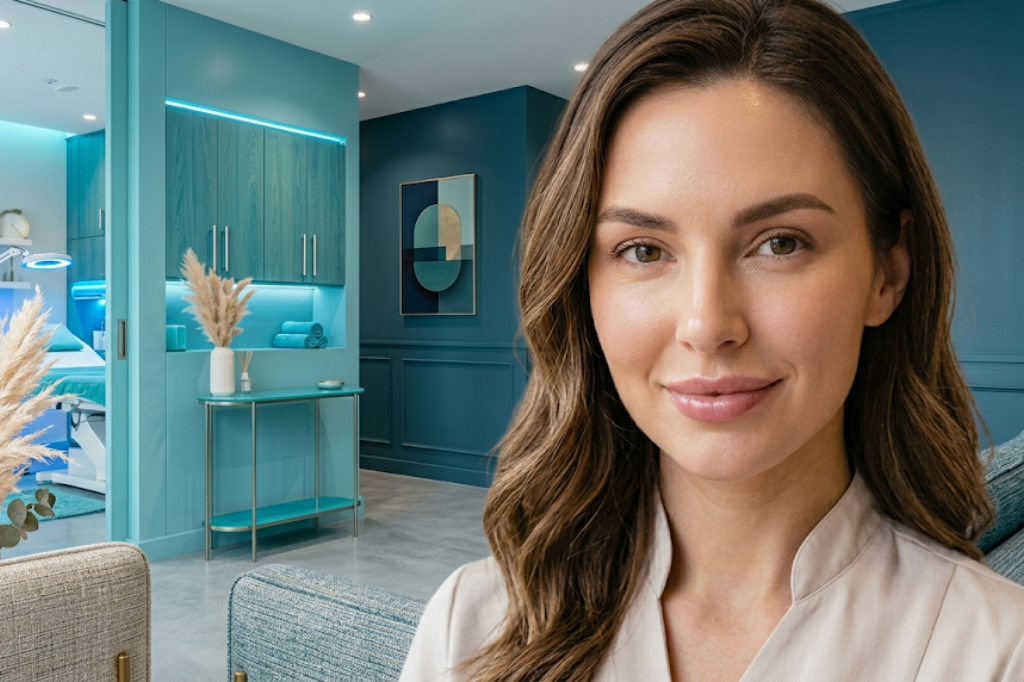
How to Choose a Safe Aesthetics Clinic in Liverpool
Choosing an aesthetics clinic is not just about finding the nearest appointment or the lowest price. It is about trusting someone with your face, your confidence and your wellbeing. This guide explains what to look for before booking an aesthetic treatment in Liverpool or the wider Merseyside area.
Why safety should come before any aesthetic treatment
Aesthetic treatments can be subtle, confidence-building and beautifully natural when they are carried out by the right practitioner. However, they are still clinical procedures. Dermal fillers, skin boosters, microneedling, prescription-led anti-wrinkle consultations and advanced skin treatments all require careful assessment, appropriate training, good hygiene, honest advice and proper aftercare.
In Liverpool and across Merseyside, clients now have more choice than ever. That can be a good thing, but it also makes it harder to know who to trust. A polished Instagram page or a discounted treatment package does not automatically mean that a clinic is safe, qualified or suitable for you. Before you book, it is worth taking a little time to understand who will be treating you, what their qualifications are, how they assess your suitability and what support is available if you have questions afterwards.
A safe aesthetics clinic should never rush you, pressure you or make unrealistic promises. The right practitioner should be just as comfortable saying “not today” as they are creating a treatment plan.
Why practitioner expertise matters
Taylor Made Aesthetics is led by Natalie Taylor, a qualified nurse and independent prescriber. This matters because aesthetic treatments should begin with proper clinical judgement, not with a sales-led approach. A responsible practitioner will take a medical history, assess whether treatment is suitable, explain risks clearly and provide aftercare guidance before you decide whether to go ahead.
Experience also matters. Good aesthetic work is not simply about using a product or device. It is about understanding facial anatomy, skin quality, proportions, movement, ageing patterns, contraindications, realistic outcomes and complication management. A safe clinic should make you feel listened to, informed and never embarrassed for asking questions.
7 signs of a safe aesthetics clinic in Liverpool
Before choosing a clinic, look for evidence that the practitioner is qualified, insured, transparent and prepared to put your safety first. These are the fundamentals that should be visible before you commit to treatment.
Clear qualifications
The clinic should clearly explain who will treat you and what their professional background is. For injectable treatments, a clinical background, appropriate aesthetics training and suitable prescribing arrangements are important safety indicators.
Proper consultation
You should be offered a consultation that includes your medical history, concerns, expectations, suitability and any reasons treatment may not be advised.
Honest treatment planning
A safe practitioner will recommend what is right for your face and skin, not simply what you ask for. Sometimes the best advice is to wait, choose another treatment or do less.
Clean clinical standards
The treatment environment should feel clean, professional and organised. Hygiene, consent, product handling and clinical records should all be taken seriously.
Transparent pricing
Prices should be clear enough for you to understand what is included. Very low prices, rushed offers or pressure-based discounts should make you pause.
Aftercare support
Safe treatment does not end when you leave the clinic. You should know what to expect, what to avoid, what is normal and when to contact the practitioner.
Natural, realistic results
The best aesthetic results usually enhance what is already there. A clinic that promises perfection, instant transformation or risk-free results is not setting healthy expectations.
Questions to ask before booking an aesthetic treatment
A good consultation should feel like a two-way conversation. You should be encouraged to ask questions and given enough information to make a calm, informed decision. The following questions are especially useful if you are booking lip fillers, dermal fillers, skin boosters, microneedling, anti-wrinkle consultations or advanced skin treatments for the first time.
Ask about qualifications, training, experience and insurance.
A safe clinic should assess you carefully, not assume.
You should receive clear, balanced information before treatment.
Aftercare support should be explained before treatment begins.
Your face, skin and goals should guide the plan.
Preparation and aftercare can affect comfort and recovery.
Red flags to watch out for
Most clients want natural results, fair pricing and a practitioner they can trust. Red flags are not always obvious, especially when a treatment is presented as quick, easy or low-risk. Be cautious if you notice any of the following.
| Red flag | Why it matters | What to look for instead |
|---|---|---|
| Very cheap deals or flash discounts | Price alone should never drive a clinical decision. Very low pricing may indicate poor product choice, lack of experience or a rushed appointment style. | Clear pricing, realistic advice and a consultation-first approach. |
| No visible practitioner credentials | You should know who is treating you and what qualifies them to do so. | A named practitioner, professional background, training and insurance. |
| No consultation or medical history | Some treatments are unsuitable for certain clients, medical conditions or medications. | A proper suitability assessment before treatment is agreed. |
| Pressure to book immediately | Aesthetic treatment should be considered, not rushed. | Time to ask questions, reflect and make a confident decision. |
| No aftercare information | You need to know what is normal, what to avoid and when to seek help. | Written or clearly explained aftercare and contact guidance. |
Why “natural-looking” results start with restraint
Many people are nervous about looking overdone. That concern is completely understandable. Natural-looking results usually come from a thoughtful treatment plan, not from doing as much as possible in one appointment. A safe aesthetics clinic will consider your facial structure, expression, skin quality, proportions and lifestyle before recommending treatment.
For example, someone asking for lip filler may benefit from subtle hydration and shape refinement rather than dramatic volume. Someone concerned about tired-looking skin may be better suited to skin boosters, polynucleotides, microneedling, oxygen skin therapy or a skincare plan rather than filler. Someone looking for anti-ageing support may need a full consultation to understand which options are clinically appropriate.
At Taylor Made Aesthetics, the focus is on tailored advice, realistic planning and results that still feel like you. This is especially important for clients travelling from Liverpool city centre, Bootle, Crosby, Aintree, Fazakerley, Formby, Southport, Wirral, St Helens and surrounding Merseyside areas who want a clinic they can return to for ongoing support.
Safety guidance and responsible treatment advertising
In the UK, some aesthetic treatments involve prescription-only medicines. Responsible clinics must be careful about how these treatments are advertised and discussed publicly. This is why you may see professional clinics using careful language such as “anti-wrinkle consultation” rather than promoting specific prescription-only product names.
This is not about making information difficult to access. It is about keeping advice safe, compliant and consultation-led. The right treatment can only be recommended after an appropriate assessment. Your practitioner should explain whether a treatment is suitable, what alternatives may exist, what risks apply and what result can realistically be achieved.
Helpful external safety references include the Advertising Standards Authority guidance on botulinum toxin advertising, the Joint Council for Cosmetic Practitioners, the Save Face practitioner register and professional guidance from the Royal College of Nursing.
Choosing a clinic in Liverpool: what local clients should consider
Local convenience is important, but it should not be the only reason you choose a clinic. If you are based in Liverpool, Bootle, Crosby, Waterloo, Aintree, Fazakerley, Formby, Southport, Wirral, St Helens, Knowsley or elsewhere in Merseyside, think about whether the clinic is somewhere you would feel comfortable returning to for reviews, staged treatment plans and ongoing skin support.
Aesthetic care is often better when it is built gradually. Your first appointment may be about understanding your face, skin and concerns. Over time, your practitioner can help you plan treatments around important events, seasonal skin changes, ageing patterns, skincare goals or maintenance appointments. Choosing a local clinic with a safe, long-term approach can make the whole experience feel calmer and more considered.
The best choice is usually a clinic where you feel informed rather than sold to. You should leave your consultation understanding your options, your risks, the likely timeline, the cost and the aftercare. That is the standard worth looking for.
What a good clinic should explain clearly
A safe aesthetics clinic should not hide behind vague language. Clear communication is part of safe practice. Before you agree to treatment, you should understand what is being recommended, why it is being recommended and what the limitations are.
Before treatment
- Your medical history and suitability should be checked.
- Your goals should be discussed honestly.
- Possible risks, side effects and downtime should be explained.
- You should understand the price before going ahead.
- You should never feel pressured into treatment on the day.
After treatment
- You should receive clear aftercare instructions.
- You should know what is normal during recovery.
- You should know when to contact the clinic.
- Review appointments should be explained where appropriate.
- Your long-term plan should be based on subtle, safe maintenance.
Thinking about aesthetic treatment in Liverpool?
Book a consultation with Taylor Made Aesthetics for tailored, nurse-led advice. Whether you are considering skin boosters, dermal fillers, lip enhancement, microneedling, oxygen skin therapy or a general skin plan, your treatment should begin with a safe and honest conversation.
Frequently asked questions
How do I know if an aesthetics clinic in Liverpool is safe?
A safe aesthetics clinic should be transparent about who is treating you, what qualifications they hold and how they decide whether treatment is suitable. Start by looking for a named practitioner rather than a faceless brand. Check whether the practitioner has a clinical background, appropriate aesthetics training, insurance and a proper consultation process. For injectable treatments, it is especially important that the clinic takes facial anatomy, medical history, contraindications, product choice and aftercare seriously. You should not feel rushed into treatment or pushed by limited-time offers. A safe clinic will explain possible side effects, what result is realistic, what to avoid before and after treatment, and how to get support if you have concerns afterwards. The environment should also feel clean, organised and professional. In short, safety is not one single thing. It is the combination of qualifications, judgement, hygiene, honest advice, careful consent and proper follow-up.
What qualifications should an aesthetic practitioner have?
The right qualifications depend on the treatment being offered, but you should always expect your practitioner to be properly trained, insured and competent in the procedure they are carrying out. For injectable treatments, many clients prefer to choose a medically trained practitioner, such as a nurse, doctor, dentist, pharmacist prescriber or another appropriately qualified healthcare professional with specific aesthetics training. A qualification alone is not enough, though. The practitioner should also understand facial anatomy, complication management, consent, prescribing rules, hygiene and aftercare. If prescription-only treatment may be involved, you should expect a proper consultation and appropriate prescribing process rather than a casual arrangement. A professional practitioner should be comfortable explaining their background and should not be offended if you ask about training or insurance. Choosing someone qualified is not about being difficult; it is about protecting your health, your face and your confidence before any treatment takes place.
What should happen during an aesthetics consultation?
A good aesthetics consultation should feel calm, thorough and personal. It should begin with your concerns, goals and expectations, but it should also include your medical history, medication, allergies, previous treatments and any relevant lifestyle factors. Your practitioner may assess your facial proportions, expression, skin quality, symmetry, volume changes or skin concerns depending on what you are considering. The consultation should include a clear explanation of suitable options, possible alternatives, risks, likely downtime, cost and aftercare. Importantly, the practitioner should also explain when a treatment may not be right for you. You should be given time to ask questions and should not feel pushed into making a decision immediately. For many clients, the consultation is where trust is built. It allows the practitioner to create a treatment plan that is tailored to you rather than applying the same approach to every face or every skin concern.
Are cheap lip fillers or discounted injectable treatments risky?
Cheap treatment is not automatically unsafe, but very low prices should make you ask careful questions. With aesthetic treatments, you are paying for far more than the product itself. You are paying for the practitioner’s training, experience, clinical judgement, insurance, hygiene standards, consultation time, aftercare and ability to respond appropriately if concerns arise. If a price seems unusually low, ask what product is being used, who is carrying out the treatment, whether a consultation is included and what support is available afterwards. Discount-heavy treatment environments can sometimes encourage rushed decisions, and that is not ideal when the procedure involves your face. A responsible clinic should be clear about pricing without using pressure tactics. The safest choice is rarely the cheapest or the most expensive by default; it is the clinic that can explain why a treatment is suitable for you, what result is realistic and how your safety will be protected.
What should I ask before having dermal fillers?
Before having dermal fillers, ask who will be treating you, what training they have, what product they intend to use and why it is suitable for your concern. You should also ask what result is realistic, how long the result may last, what side effects are common and what complications, although uncommon, can occur. A safe practitioner should explain swelling, bruising, tenderness, asymmetry, lumpiness and the signs of a problem that may need urgent advice. It is also sensible to ask whether the clinic provides review appointments and what happens if you are unhappy with the result. For lips, cheeks, chin, jawline or facial balancing, the best filler plan is usually based on your anatomy rather than a standard amount. You should leave the consultation understanding the benefits, risks, aftercare and cost before any treatment takes place. If you feel unsure, pressured or under-informed, it is reasonable to pause and ask more questions.
Is it better to choose a nurse-led aesthetics clinic?
Many clients feel reassured by choosing a nurse-led aesthetics clinic because nursing brings a clinical mindset to assessment, hygiene, consent, patient care and aftercare. A qualified nurse with appropriate aesthetics training should be used to taking medical histories, recognising risk factors, explaining procedures and working within professional standards. If the nurse is also an independent prescriber, this can be particularly relevant for treatments that require prescribing decisions, although suitability must still be assessed properly on an individual basis. That said, “nurse-led” should not be treated as a label on its own. You should still ask about aesthetics experience, treatment-specific training, insurance, products, aftercare and complication protocols. The advantage of a good nurse-led clinic is the combination of clinical responsibility and aesthetic judgement. For clients who want natural-looking results, honest advice and a calm consultation process, this can be a strong reason to choose that style of clinic.